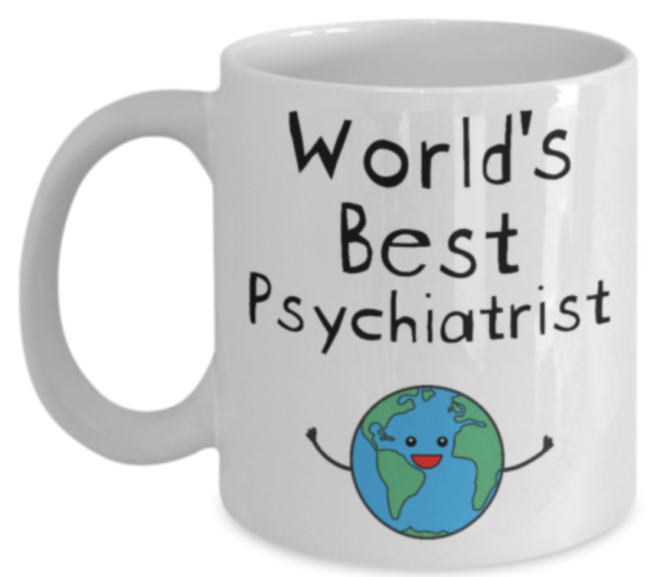
This post is about the hundreds and thousands of autistic people who are misdiagnosed everyday by psychiatrists, psychologists, and other professionals.
THINKING PERSON'S GUIDE TO AUTISM
Autism news and resources: from autistic people, professionals, and parents
This post is about the hundreds and thousands of autistic people who are misdiagnosed everyday by psychiatrists, psychologists, and other professionals.

My brother died because of ableism. Because people—including very close family—were terrified to face his neurodivergence, and his disability.
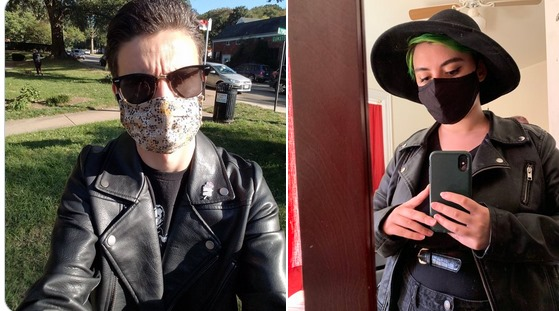
“It’s really important to us that we be a resource for autistic and neurodivergent people directly in a market that’s so inundated with parent-focused resources.”
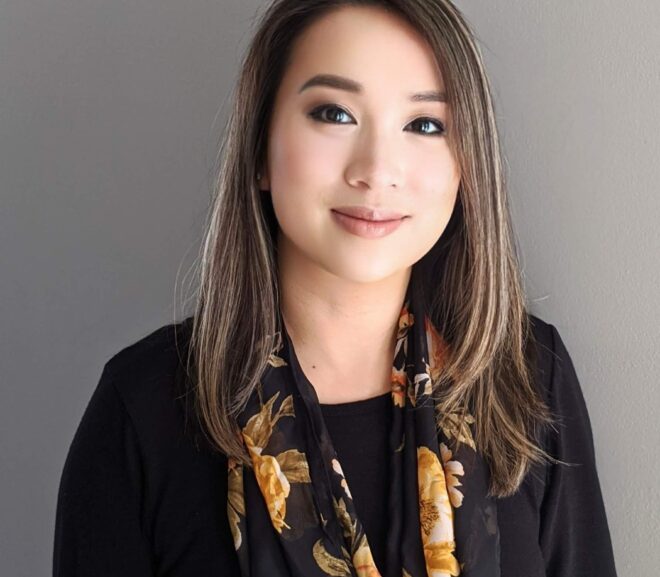
Jenny Mai Phan is an Asian American autistic autism researcher, an Interagency Autism Coordinating Committee (IACC) member, and the mother of four children, two of whom are autistic.

Too often, people cause the “behaviour” that they blame on “real autism.” And it’s often their own approaches that need changing.
Parents should tell their children they are autistic in ways that help them understand and feel good about who they are.
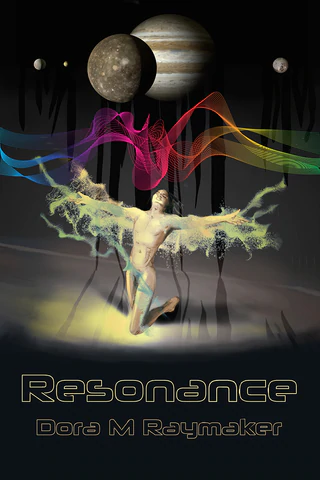
Dora Raymaker’s new novel revolves around marginalized folks finding their voice and their place in this world—through magical sci-fi lovely weirdness, but still, they find it!

Retreat isn’t just a quiet room, it is an explicitly neurodivergent space. Nothing about us without us, right? It’s a place to stim freely, drop the mask a little, and find some neurodivergent kinfolk.

If your workplace wants to successfully recruit autistic and neurodivergent job candidates, consider these insider tips on how to make the hiring process easier.

Even though the Son-Rise therapists take credit for Kyle’s successes, maybe he’s done well because of his family’s kindness…in spite of the therapy, not because of it.