
Many autistic people find accepting compliments and being kind to ourselves difficult, especially if our experience has been that other people lambast us if we dare to exist openly while autistic.
THINKING PERSON'S GUIDE TO AUTISM
Autism news and resources: from autistic people, professionals, and parents
Many autistic people find accepting compliments and being kind to ourselves difficult, especially if our experience has been that other people lambast us if we dare to exist openly while autistic.

Ashley Storrie, co-creator and star of Hulu’s series Dinosaur, talks with TPGA about incorporating her own autistic experiences into the show, and why storytelling is so crucial for wider understanding of underrepresented groups.

At the end of the day, a sensory friendly home life means forget social conventions. Make your home work for you.

Autistic and neurodivergent people experience many “sensory icks” regularly. Autistic writer Shamiha Patel shares her personal checklist of sensory triggers.
How should educators approach autism, and how can understanding autistic identities help educators better support autistic and non-autistic students?

No, ABA therapy cannot affirm neurodiversity, not without becoming something that is not ABA therapy.
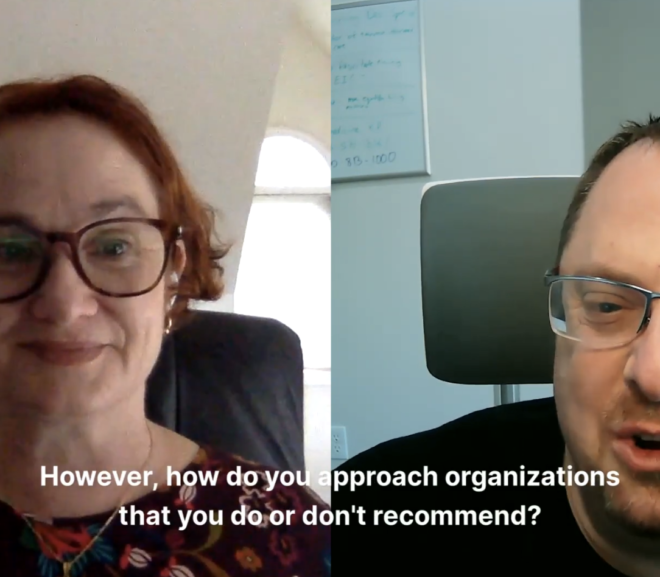
Senior editor Shannon Rosa talks with autistic podcaster Shawn Sullivan of Unheard Voices about what we do here at TPGA: Our passion for debunking autism misinformation, boosting neurodiversity advocacy, and fighting for disability rights. Shawn was a gracious host, and Shannon had a lot of opinions—all of which are correct.
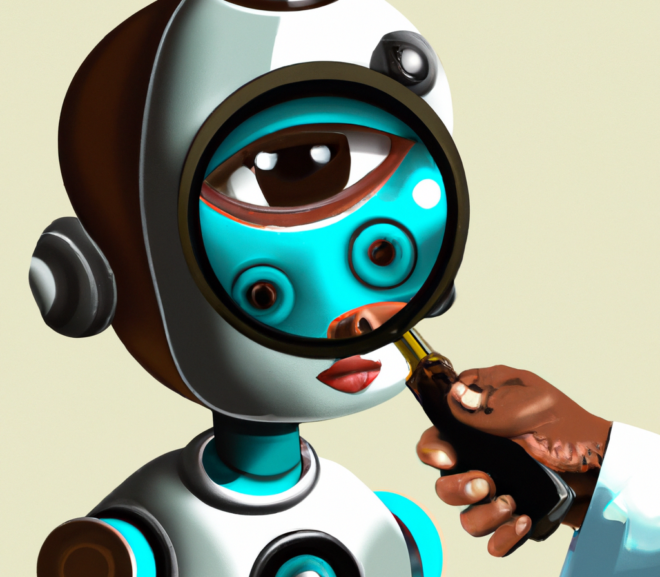
Is it true that AI can diagnose autism?
Short answer: No.
Slightly longer and probably more accurate answer: Not yet.

Working with a physical therapist to find out ways to feel better, and also to support your health, can be an amazing and empowering experience for an autistic person.
Autistic people are usually left to our own devices when it comes to navigating a social world defined by non-autistic rules. And when we make social errors, it’s very common to wish to retreat. Here are some (hopefully) comforting guidelines for such situations.